When we received news that our son Aidan was found dead in his studio apartment in Tacoma, Washington, my husband and I had just finished dinner at Deacon Brodie’s Tavern on The Royal Mile in Edinburgh, Scotland. We knew Aidan’s substance use disorder was serious, but it still felt horribly wrong that death had claimed him. In quavering voices, we choked out a few questions to the medical examiner staff about the circumstances. Was there drug paraphernalia? Was there a note of any kind? The man’s voice was gentle. “No note, but there was a white powdery substance by his side. The body toxicology testing will take up to twelve weeks, after which we will provide a report.”
“What about his body?”
“We keep the body for ten days only, so there is the need to arrange for a funeral home to claim him.”
I was conscious of the throngs of tourists just steps away on the Royal Mile having the high times of their lives while we were suddenly hurled into one of the lowest periods of our lives. Tears ran down my face and onto my shorts as my husband sat stoically by. “But we’re here in Edinburgh and I don’t know if that is enough time to make arrangements,” I protested. “I mean, we now have to try to make arrangements to return earlier.” The man’s voice bore the thumbprint of gentle compassion doubtless formed from the many calls like ours that he had to field as part of his work within the medical examiner’s office: “There can be a bit of extra time since you are overseas, but please keep in touch about arrangements.”
I ended the call overcome by the fear of how Aidan’s body would be disposed of if we did not claim him—disposed of however the homeless unknown might be. Sorrowfully, I thought about how our relationship with Aidan had improved in the last few months. We thought that things were looking up, but his overconsumption of drugs had caught up to him and killed him at the tender age of eighteen. I tried not to let my anger and sadness annihilate me that day—anger over the rampant and easy access to drugs in Portland, and sadness that Aidan did not have the wherewithal to resist such temptations.
From early on, much of Aidan’s life was characterized by passionate consumption. Once, on a flight to Michigan, Aidan vomited up an unpleasant cascade of juices and food all over our seats after chugging down all the beverages the attendants would give him. The damp detritus was cleaned up hazmat-style, with an elaborate combination of absorbent gel beads, garbage bags, and vacuuming by the annoyed airline staff. We had no sense that this might portend anything too serious. I just thought that, at four years old, he did not yet know the limits of his body. I was confident that would learn restraint and moderation over time.
Aidan seemed to thrive over the next few years. He had friends at school and kept up with schoolwork. At home, he practiced piano for hours. He loved origami and baking. He pored over cookbooks and prepared countless amazing desserts. Although Aidan ate generous quantities of strawberry shortcakes, banana cream pies, and chocolate chip cookies, he also spent inordinate hours doing gymnastics, even earning medals at tristate championships. Surely, we thought, there could not be anything wrong with such wonderfully passionate appetites for everything life had to offer.
Yet we did not foresee that Aidan’s strong hunger for gratification might also veer into compulsive consumption despite negative consequences—otherwise known as addiction. Our first clue came in middle school, when Aidan started doing schoolwork on a laptop and was provided a cell phone for the purpose of keeping in contact with friends and family like so many other kids in his generation. Seemingly overnight, instead focusing on schoolwork and other activities he had previously enjoyed, Aidan passionately played video games, watched YouTube videos, and consumed vast quantities of social media content. He was constantly on Snapchat, Instagram, Tinder, TikTok, and who knows what other platforms, during school hours, after school, and on the weekends. Despite our entreaties to moderate his screen time so he could get enough sleep, attend to the ever-escalating responsibilities of middle school, and make in-person friends, Aidan assiduously refused to give up his phone or computer. He spent hours online looking at seemingly beautiful, flawless people with perfect achievements and lives, and began to fret over his imperfect skin and body. He became too self-conscious to continue gymnastics or attend school. Piano playing was curtailed by the easy siren call of the phone winning over the effort required to master a piano piece. His baking took on a sinister tone as he drowned out his stress over his appearance by ingesting more than his fair share of cinnamon rolls and chocolate cake. Overeating led to weight gain and stretch marks, which led to even more stress.
Our attempts to limit Aidan’s phone and computer use resulted in episodes in which he punched holes in the walls, screamed epithets at us, and threatened suicide. By this time, the COVID shutdown had obliterated any hope for much-needed in-person professional help. Therapy via telehealth yielded little change with Aidan’s attitudes and behaviors: in his early teens, Aidan careened headlong into challenges with body dysmorphia, social anxiety, compulsive binge eating, school refusal, general defiance and irritability, along with a pattern of spending his days watching YouTube videos with negative content, surfing and shopping on the internet, with little regard for his own health or his family’s concern.
Aidan’s condition became several magnitudes worse once the shutdown ended and in-person school started, along with his open drug consumption in our house. When we confronted Aidan for filling our upstairs bathroom with the thick, acrid smell of weed, he rebelliously retorted as if we were the most plebeian of country bumpkins: “Don’t you know that today is National Weed Day and everyone is smoking it?!” He soon went from having bloodshot eyes once a week to appearing bleary-eyed and slurring his speech just about daily. We learned that he bought drugs from people in downtown Portland through the convenience of online messaging, courtesy of his smartphone. On New Year’s Eve, Aidan lay drunk in his bedroom alone and screamed there was no way in bloody hell he was going to watch a movie with us in the upstairs attic, although he had sweetly agreed to do so just the day before.
We were at our wit’s end helplessly watching Aidan consume untenable quantities of drugs and alcohol and, in turn, being consumed by them. Because he was unwilling to go to drug treatment, no substance use treatment program would accept him. No mental health program would accept him either, because he was not imminently suicidal or homicidal. Desperate, we hired a substance use counsellor to work with him in hopes that Aidan might develop insight and choose to take steps towards sobriety. But given the the abundance of drugs in the metro area and Aidan’s insatiable drive for them, his eventual fentanyl overdose seemed inevitable. When the day came, we called 911; EMS came quickly. When multiple doses of Narcan failed to stabilize him, Aidan was admitted to the Randall Children’s Hospital Pediatric ICU to receive close monitoring and an overnight Narcan drip.
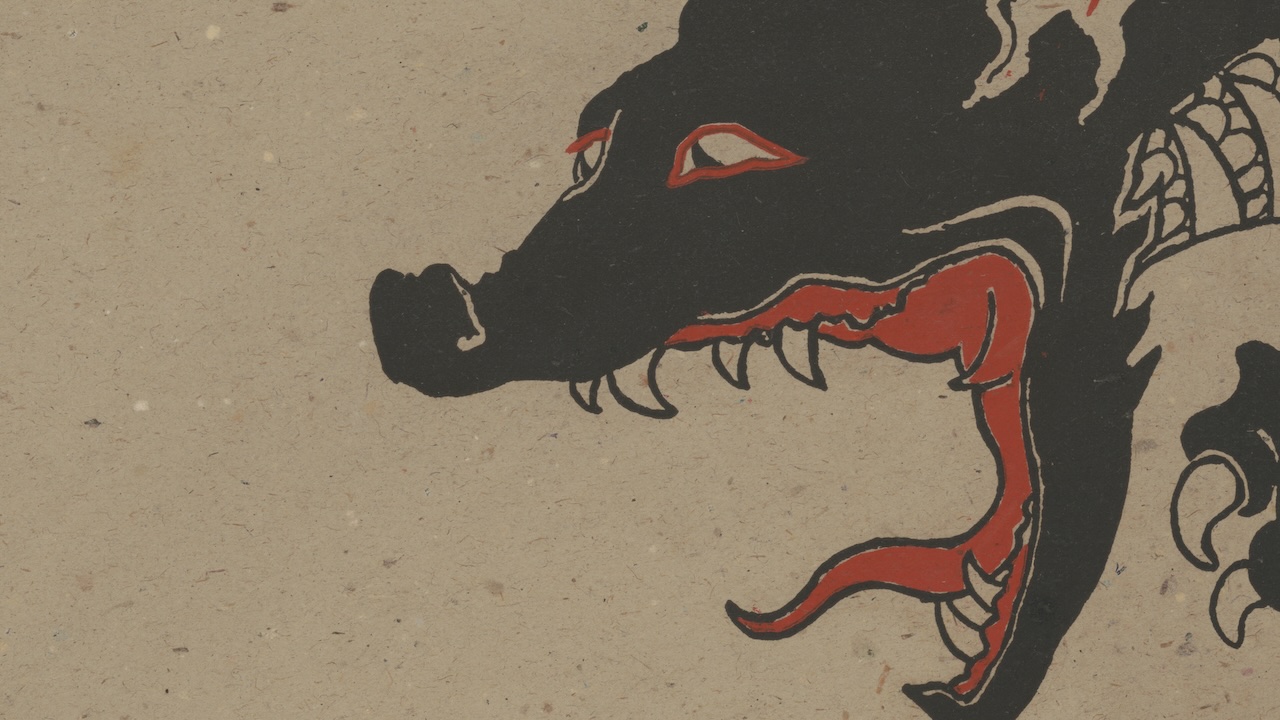
At the hospital, after he regained consciousness, we told Aidan that he could no longer live at home and had to go to rehab. He told us he would rather be homeless and free to do whatever he wanted. We said we could not forsake him like that and that we loved him. We encouraged him to think hard about his gift of a second chance and arranged for him to attend an out-of-state private substance use program that was willing to take him despite his recalcitrance. The counselor at this program later told us that Aidan disclosed still craving a plethora of substances: shrooms, yellow sunshine, uppers, Mary Janes, and more. There was hardly anything that he did not consume. Through the course of online family therapy, we learned that fentanyl has many names: fenty, dance fever, friend, TNT, he-man, king ivory, murder 8, dragon.
Less than two weeks after he turned eighteen, we received news that Aidan had left his drug treatment program and and gone to who knows where. We learned later, when we reconnected, that he ended up in a young adult temporary support shelter in Tacoma, where his assigned social worker helped him secure a subsidized studio apartment in a nice complex downtown. He also landed a job at the local Wendy’s. We gave him credit for his resourcefulness, hoping he might manage to survive young adulthood and perhaps even thrive. During one of our last visits with him, he told us that he had a goal of only consuming weed. I urged him to consider full sobriety and said that we would support him toward this goal. He laughed us off, asking, “Why would I do that?” Although his response chilled me, I still hoped he would escape a fatal accidental overdose. He was successful in paying rent for several months from his salary at Wendy’s before we received that fateful phone call in Edinburgh. Addiction, otherwise defined as compulsive consumption despite negative consequences, had gripped Aidan and killed him.
We arranged for Aidan’s body to be buried at The Great River Burial Grounds in Mosier, Oregon, after learning that he could have a green burial there. That meant no embalming and no coffin. There did not seem a good reason to preserve him in embalming fluids, which meant immersing him in more substances. A green burial meant that he would have a chance to return back to the earth to nourish the roots of plant life such as meadow grass, white oak, and pine, which in turn would provide food and homes for animals such as deer, fox, and bear. Released from the compulsive consumption that was his downfall, Aidan could now be consumed in the name of nourishing life.
Comments
No comments yet.
Add a Comment